 Image 1 of 2
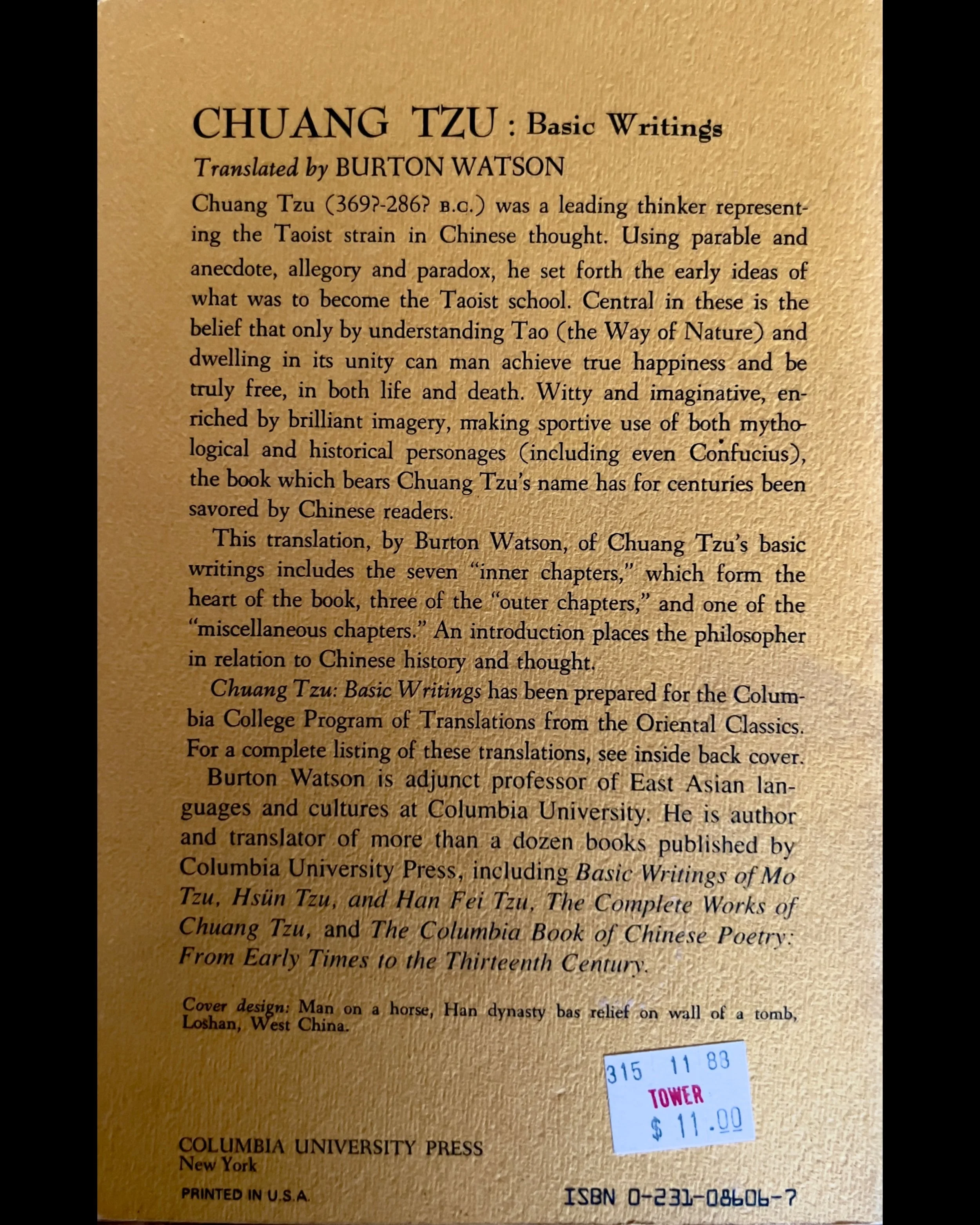 Image 2 of 2
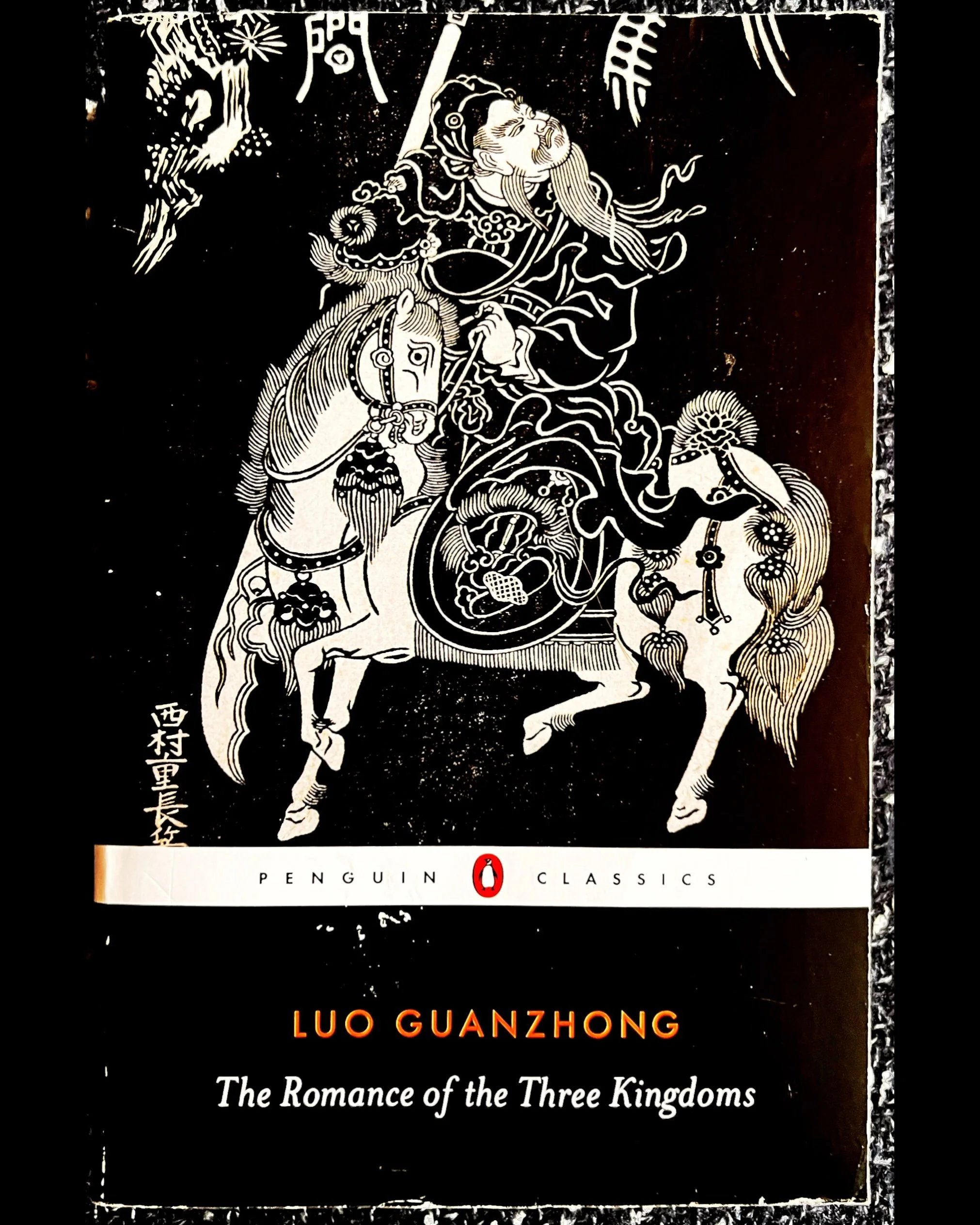
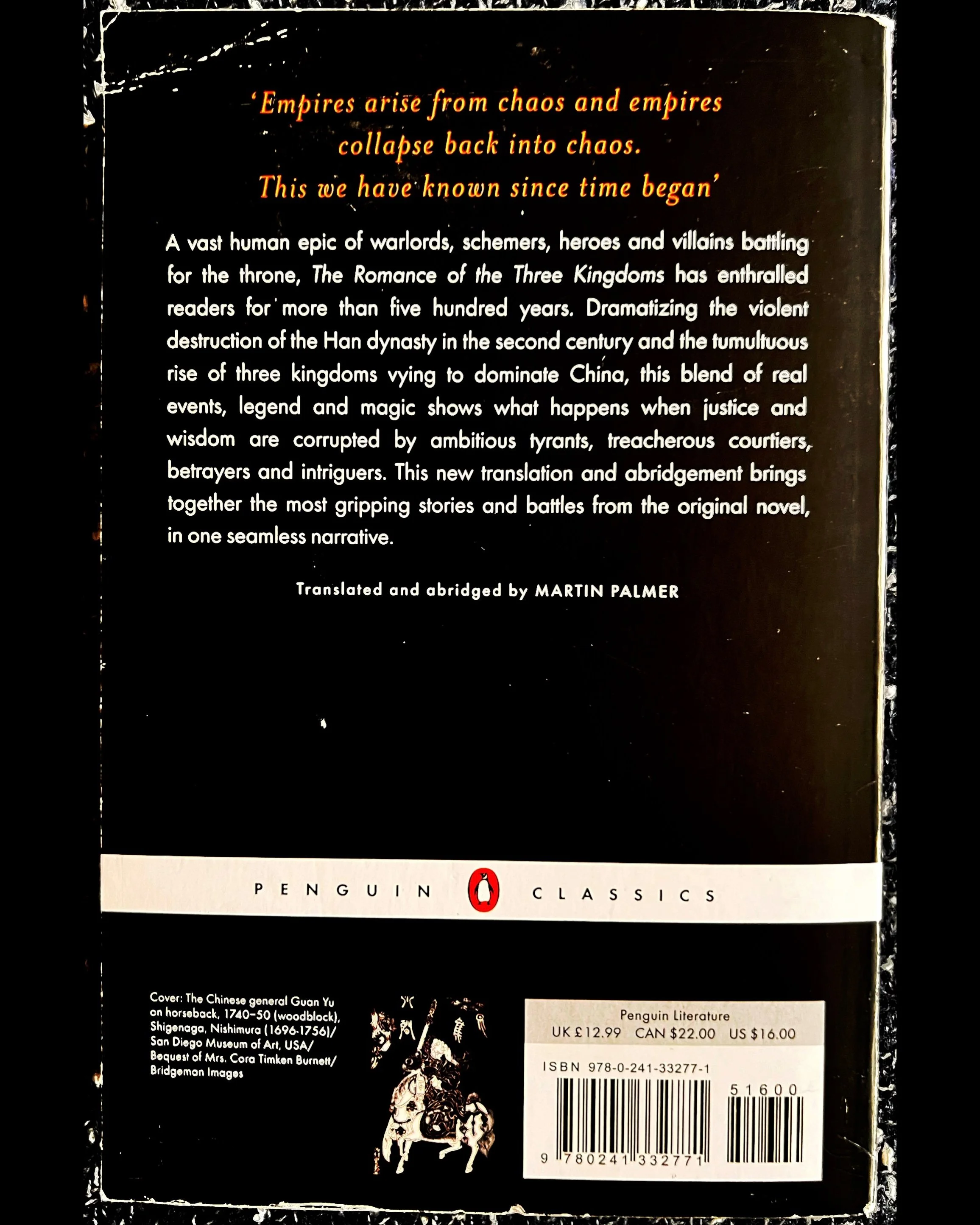
Burton Watson, trans.
Columbia University Press/148 pgs
Good condition
__________________________________________
Chuang Tzu (369?-286? B.C.) was a leading philosopher representing the Taoist strain in Chinese thought. Using parable and anecdote, allegory and paradox, he set forth, in the book that bears his name, the early ideas of what was to become the Taoist school. Central to these is the belief that only by understanding Tao (the Way of Nature) and dwelling in its unity can man achieve true happiness and freedom, in both life and death.
Chuang Tzu: Basic Writings includes the seven "inner chapters," which form the heart of the book, three of the "outer chapters," and one of the "miscellaneous chapters." Watson also provides an introduction, placing the philosopher in relation to Chinese history and thought.
Witty and imaginative, enriched by brilliant imagery, and making sportive use of both mythological and historical personages (including even Confucius), this timeless classic is sure to appeal to anyone interested in Chinese religion and culture.
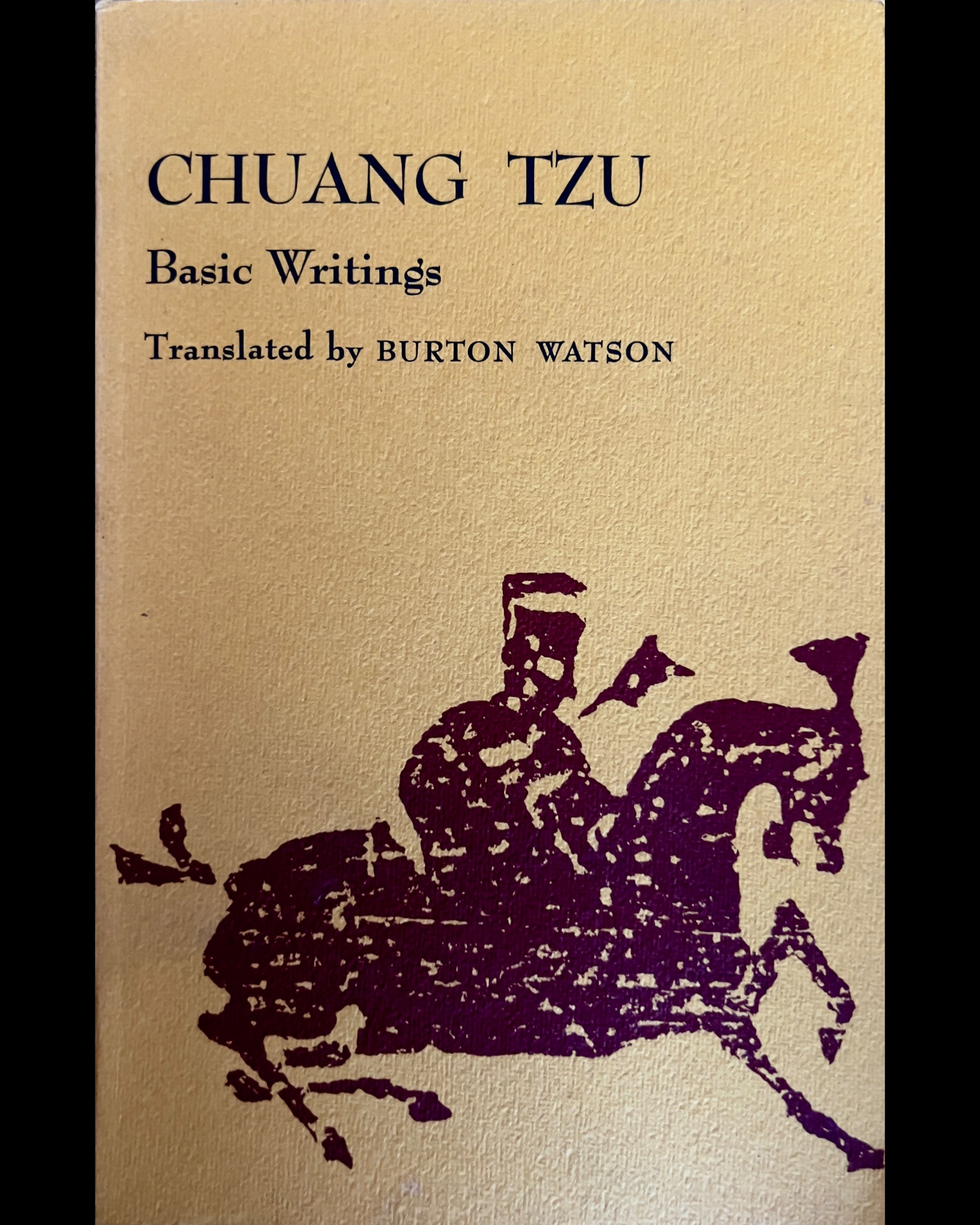
Burton Watson, trans.
Columbia University Press/148 pgs
Good condition
__________________________________________
Chuang Tzu (369?-286? B.C.) was a leading philosopher representing the Taoist strain in Chinese thought. Using parable and anecdote, allegory and paradox, he set forth, in the book that bears his name, the early ideas of what was to become the Taoist school. Central to these is the belief that only by understanding Tao (the Way of Nature) and dwelling in its unity can man achieve true happiness and freedom, in both life and death.
Chuang Tzu: Basic Writings includes the seven "inner chapters," which form the heart of the book, three of the "outer chapters," and one of the "miscellaneous chapters." Watson also provides an introduction, placing the philosopher in relation to Chinese history and thought.
Witty and imaginative, enriched by brilliant imagery, and making sportive use of both mythological and historical personages (including even Confucius), this timeless classic is sure to appeal to anyone interested in Chinese religion and culture.