 Image 1 of 5
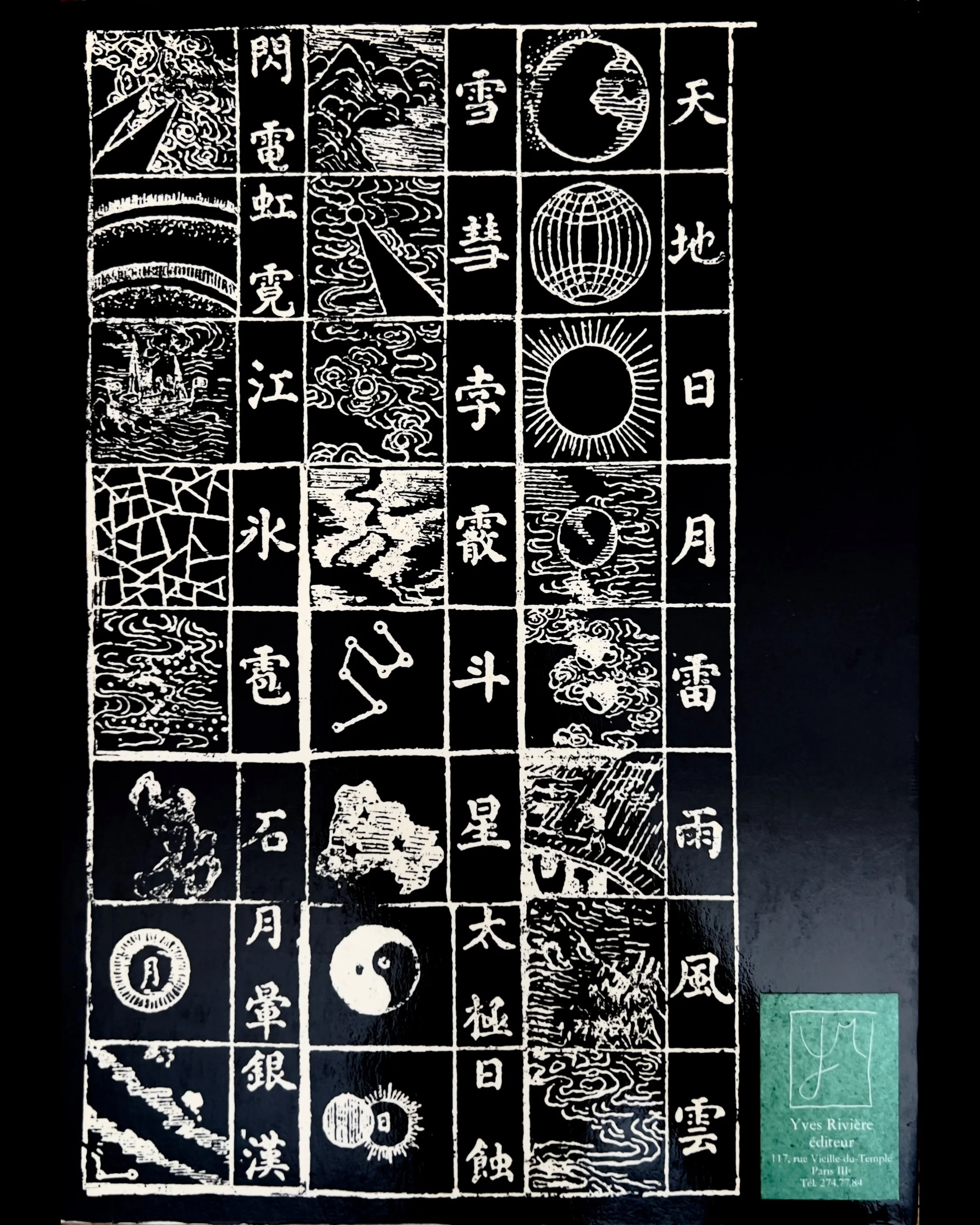 Image 2 of 5
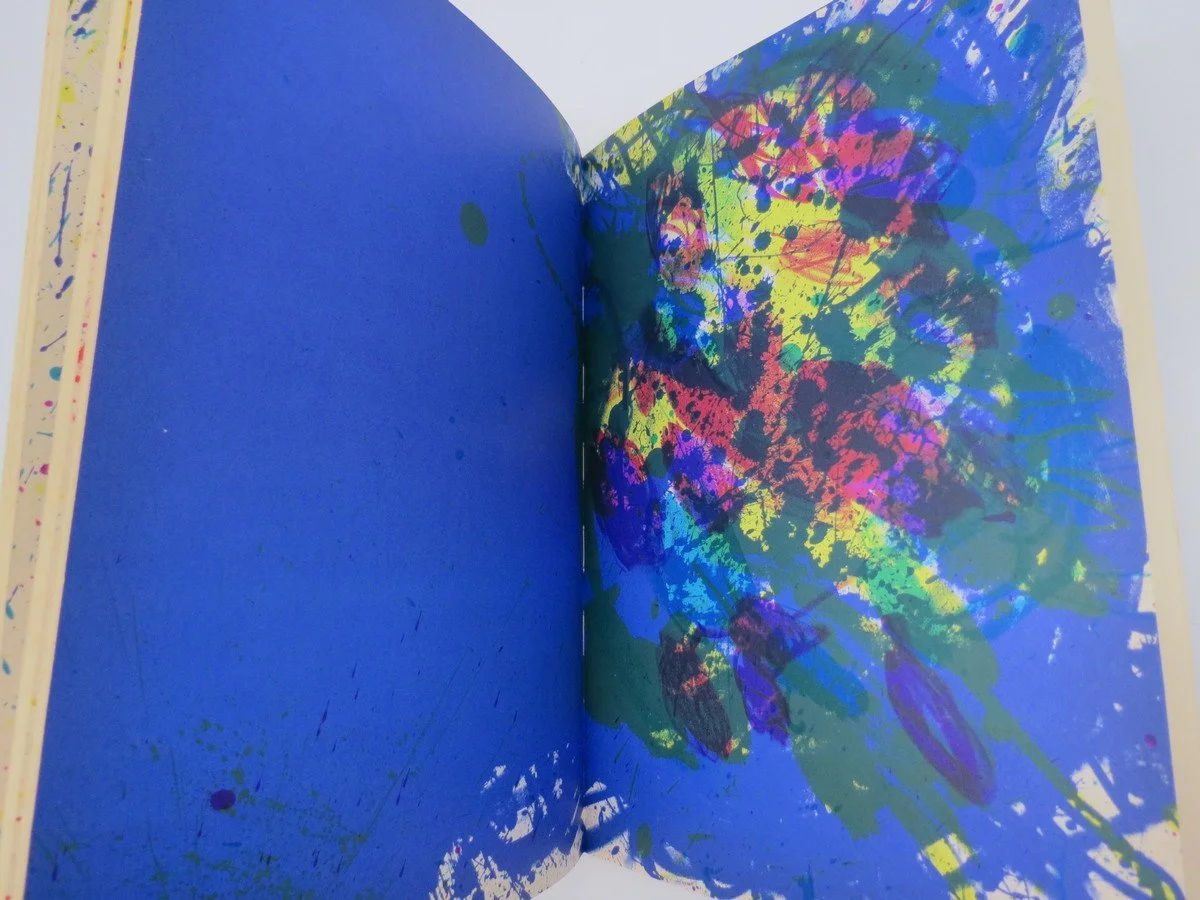 Image 3 of 5
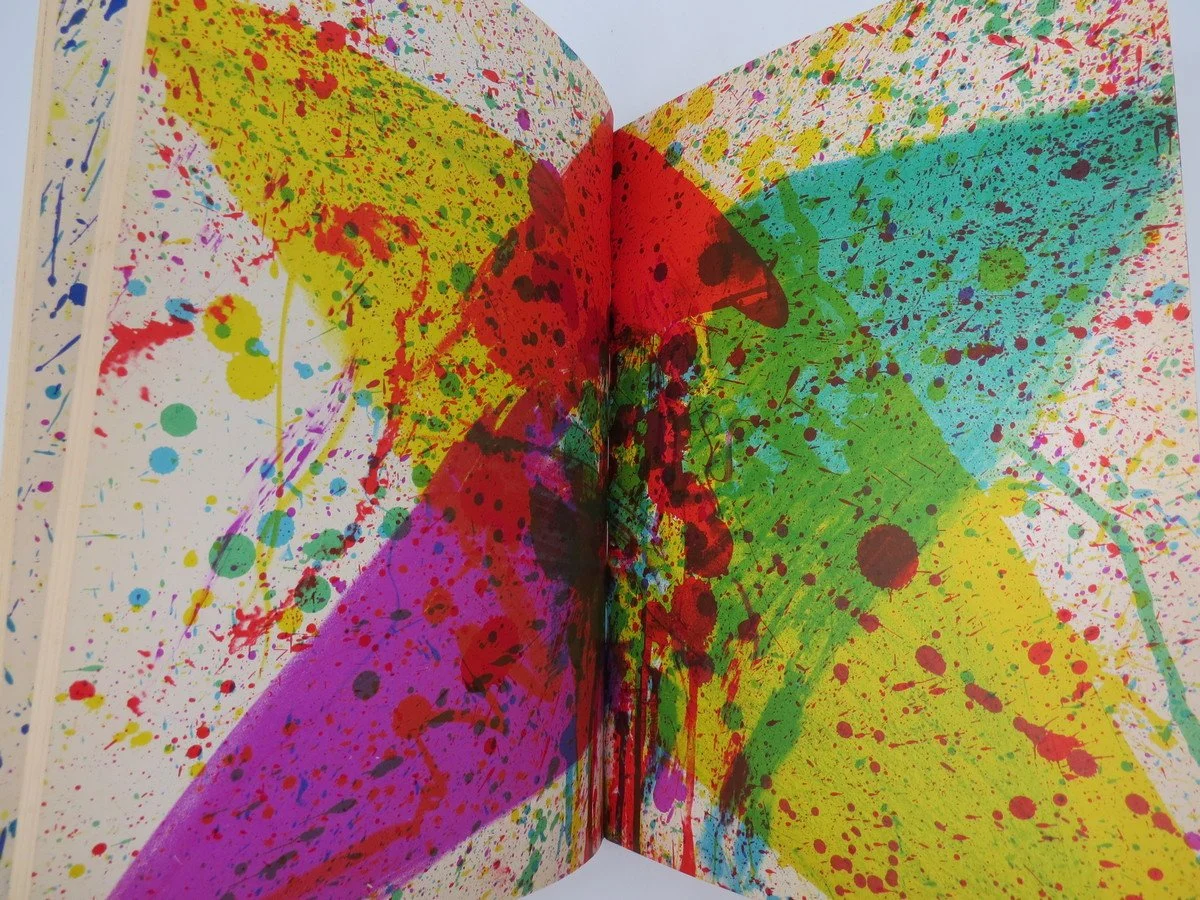 Image 4 of 5
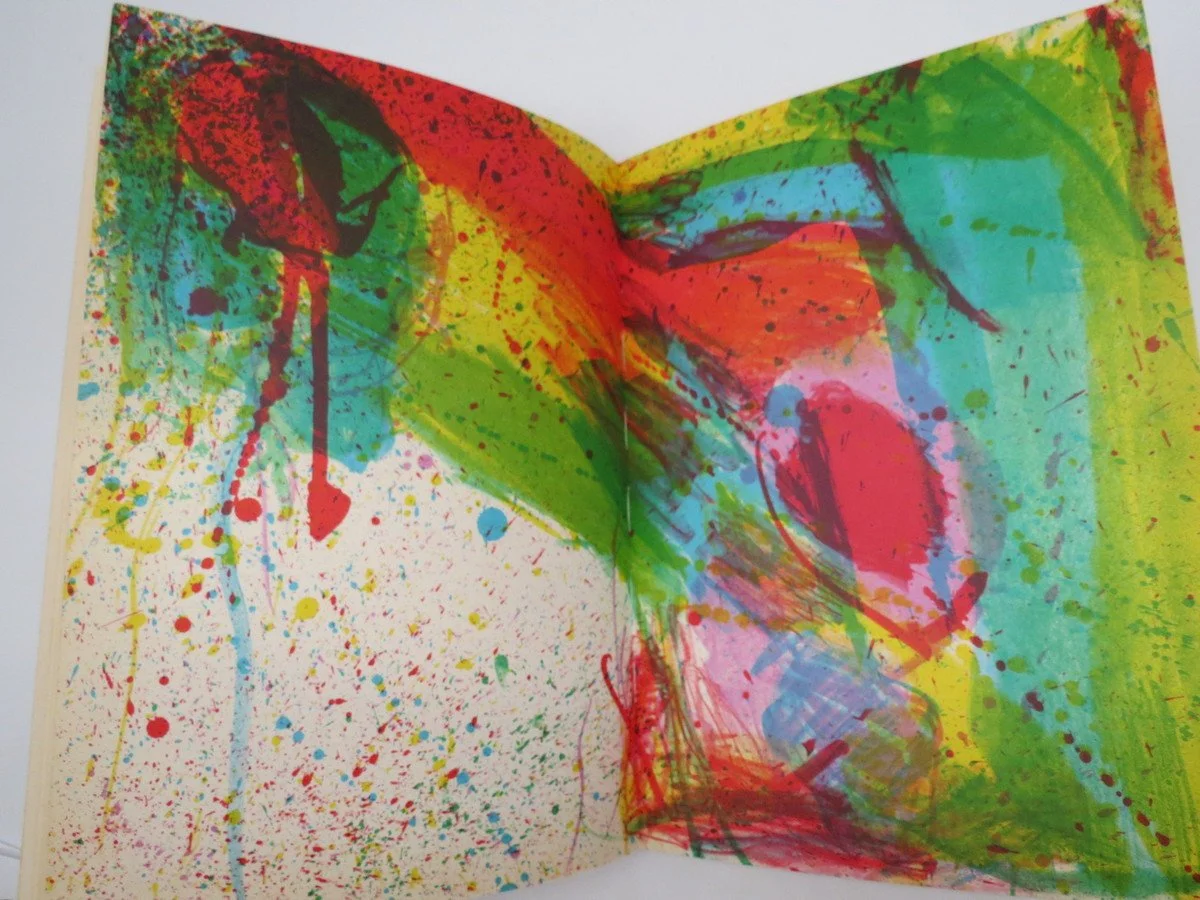 Image 5 of 5
Wittenborn and Company/71 pgs
Good condition
__________________________________________
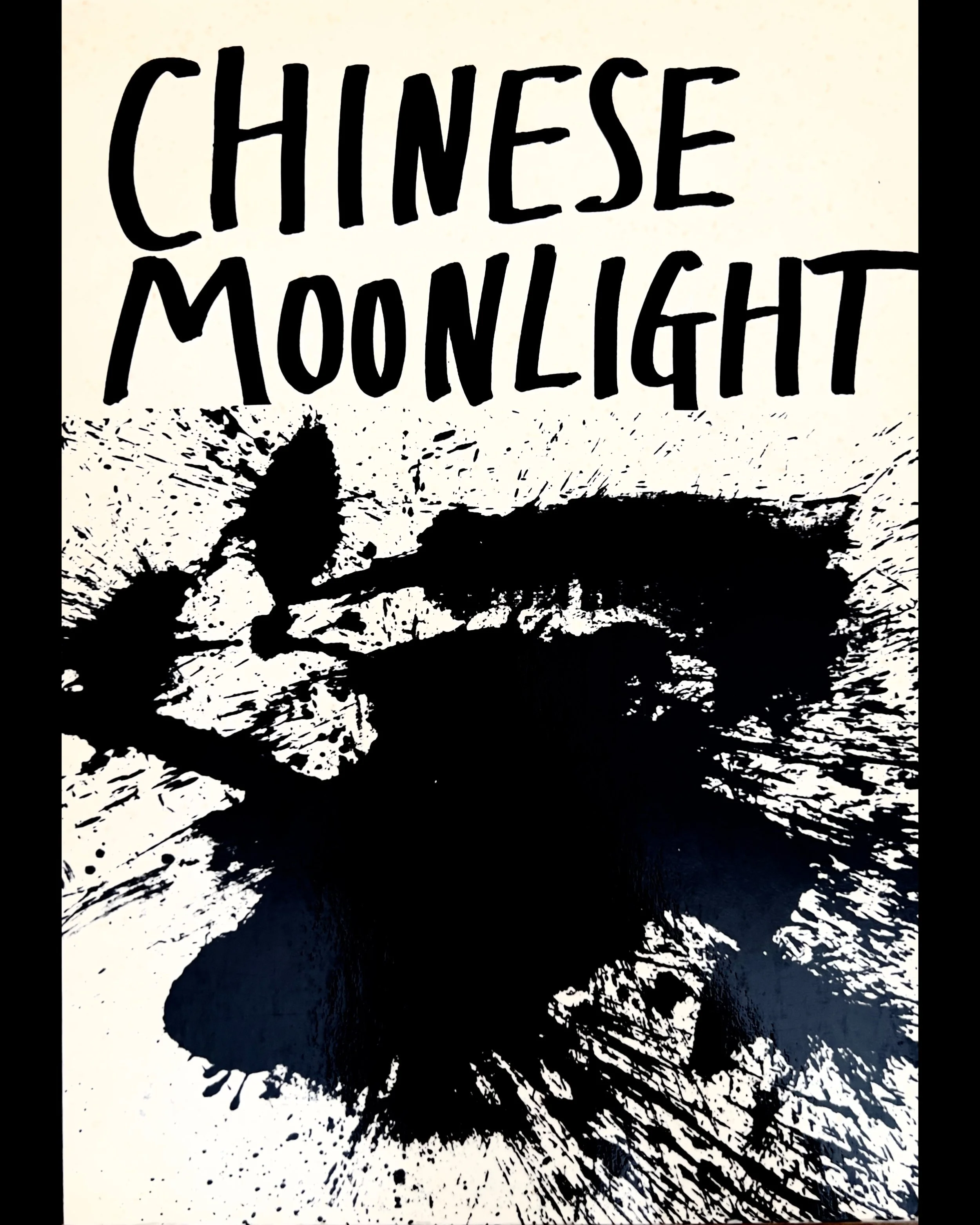
Walasse Ting, a painter and a poet, has approachedd these translations with an intense clarity, in the Chinese fashion. Straightforward, practical, yet filled with images...By including four of his lilthographs, the painter Ting has collaborated beautifully with the poet-translator Ting to bring a visual quality to these selected poems that continues the tradition of the poet-painter which has always been a necessary combination in China..."
(from Introduction by Irving Groupp)
"...The Chinese ideagram works on many levels. The poet uses direct imagery as well as metaphoric image mixed with intricate rhyming patterns...Compressed into a kind of telegraphy, a literary Morse Code, it flashes whole messages by way of this compression and only those who know it can understand the fullness of its message. A single ideagram may call up a whole range of inter-related meanings while expresing the subtlest of ideas and feelings. Within this economy, this language unencumbered by verbiage and frills one may see, think and feel along with the poet. This is of utmost importance to the Chinese; to see heart to heart without a tangle of unnecessary conventions; to grasp fully the poet's meaning but in a strange paradoxical way, wordlessly. The character of this language points at something unspoken, the silent level of feeling and succeeds in doing this visually as well as verbally..."
(from Introduction by Irving Groupp).
Wittenborn and Company/71 pgs
Good condition
__________________________________________
Walasse Ting, a painter and a poet, has approachedd these translations with an intense clarity, in the Chinese fashion. Straightforward, practical, yet filled with images...By including four of his lilthographs, the painter Ting has collaborated beautifully with the poet-translator Ting to bring a visual quality to these selected poems that continues the tradition of the poet-painter which has always been a necessary combination in China..."
(from Introduction by Irving Groupp)
"...The Chinese ideagram works on many levels. The poet uses direct imagery as well as metaphoric image mixed with intricate rhyming patterns...Compressed into a kind of telegraphy, a literary Morse Code, it flashes whole messages by way of this compression and only those who know it can understand the fullness of its message. A single ideagram may call up a whole range of inter-related meanings while expresing the subtlest of ideas and feelings. Within this economy, this language unencumbered by verbiage and frills one may see, think and feel along with the poet. This is of utmost importance to the Chinese; to see heart to heart without a tangle of unnecessary conventions; to grasp fully the poet's meaning but in a strange paradoxical way, wordlessly. The character of this language points at something unspoken, the silent level of feeling and succeeds in doing this visually as well as verbally..."
(from Introduction by Irving Groupp).