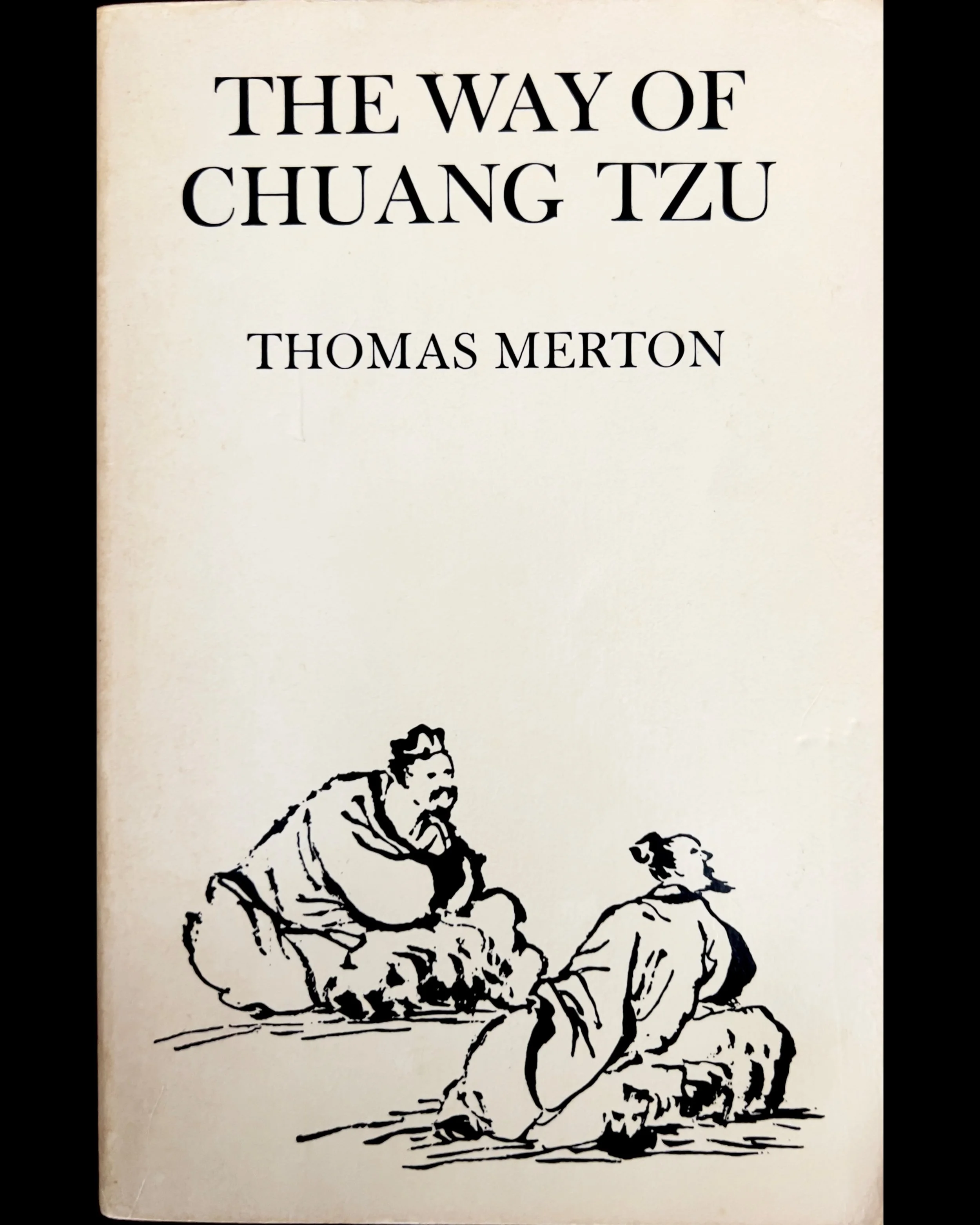
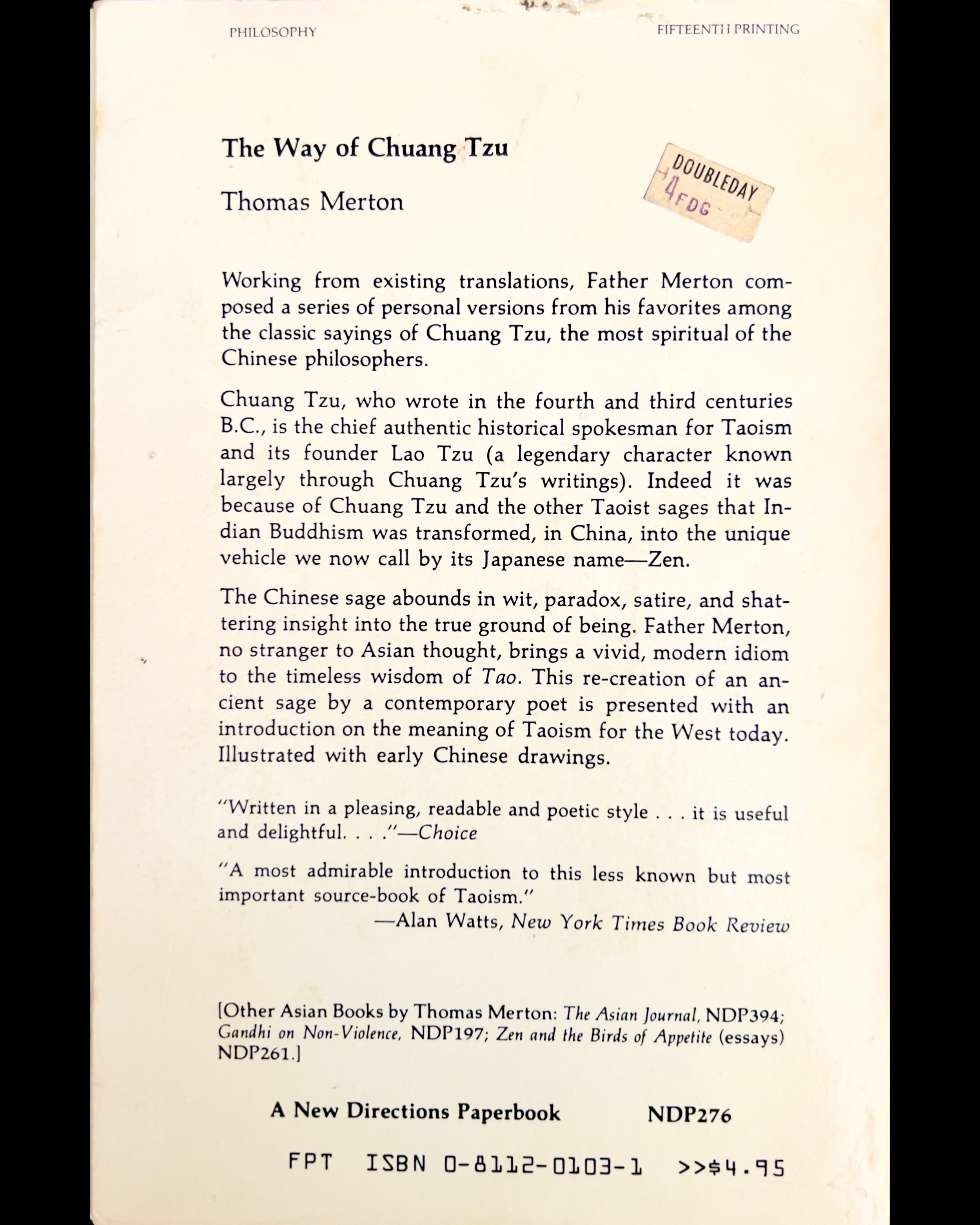
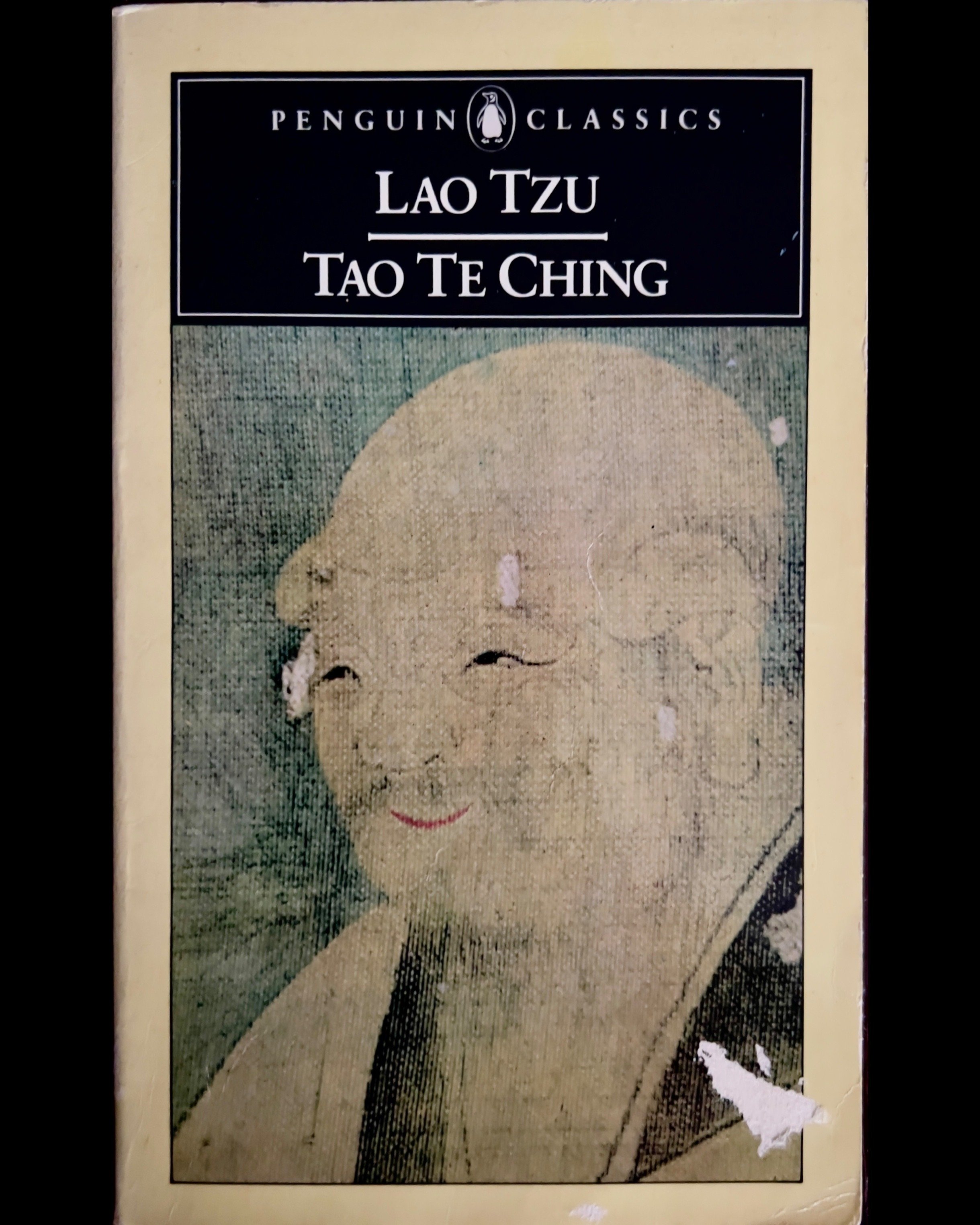
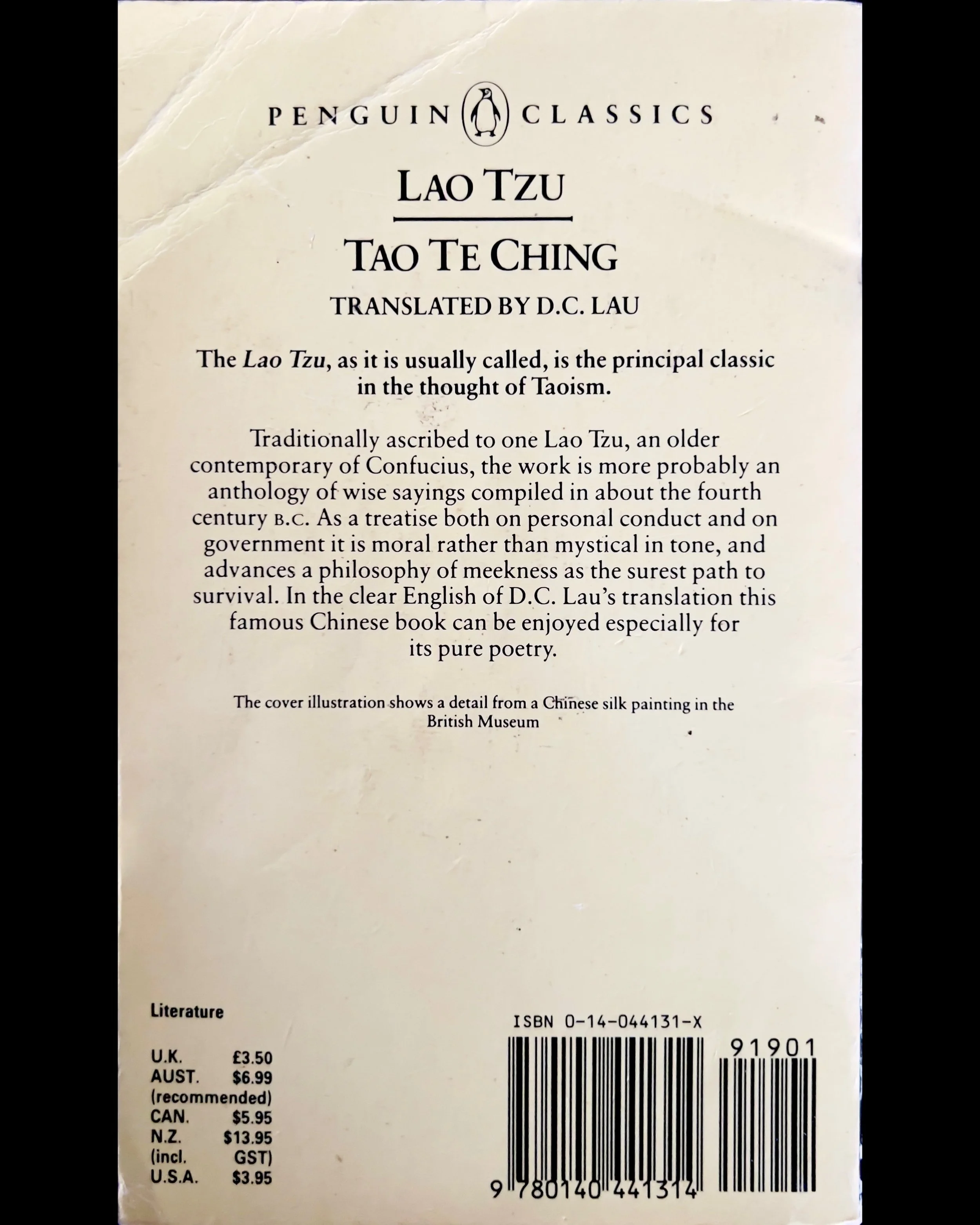
 Image 1 of 2
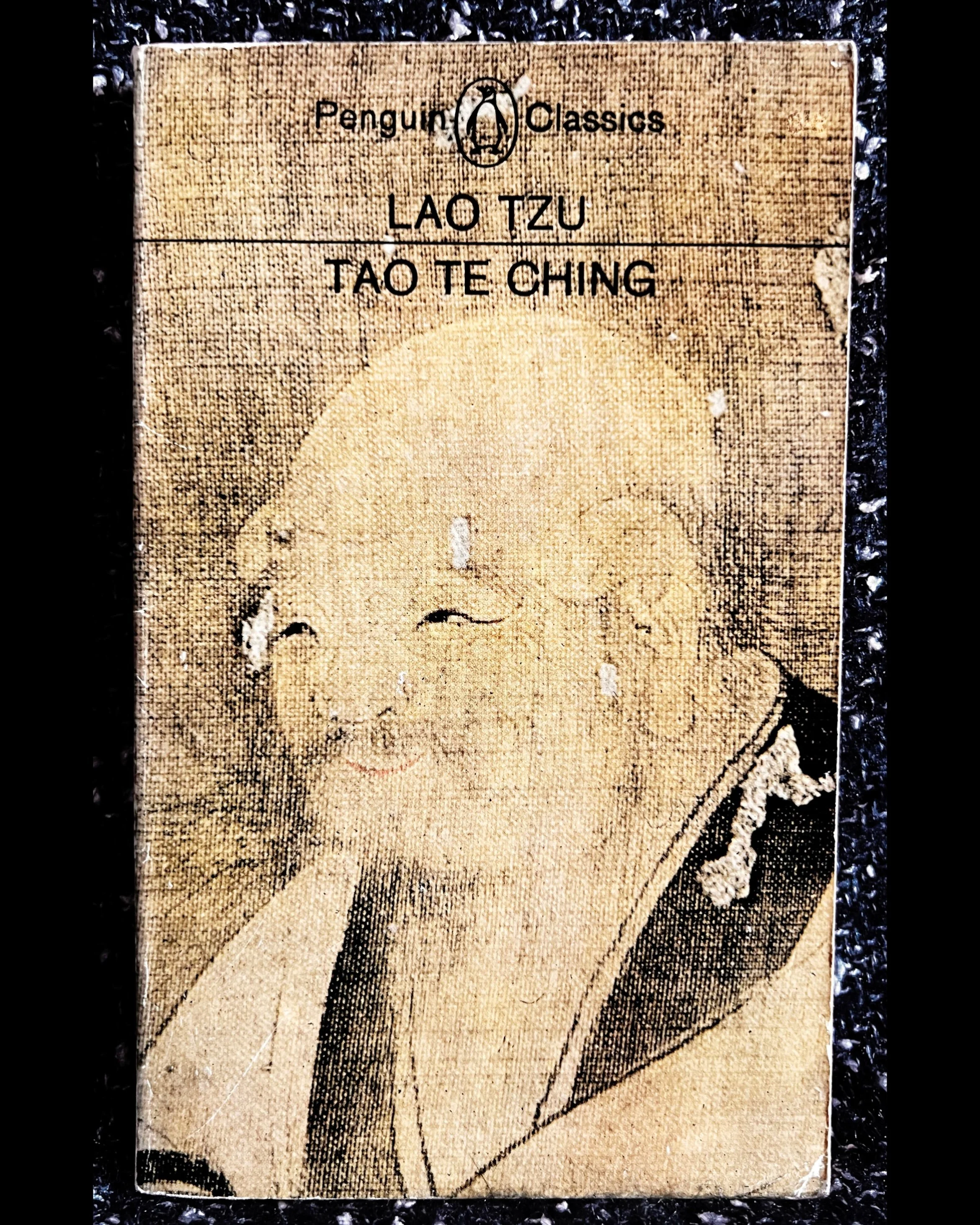
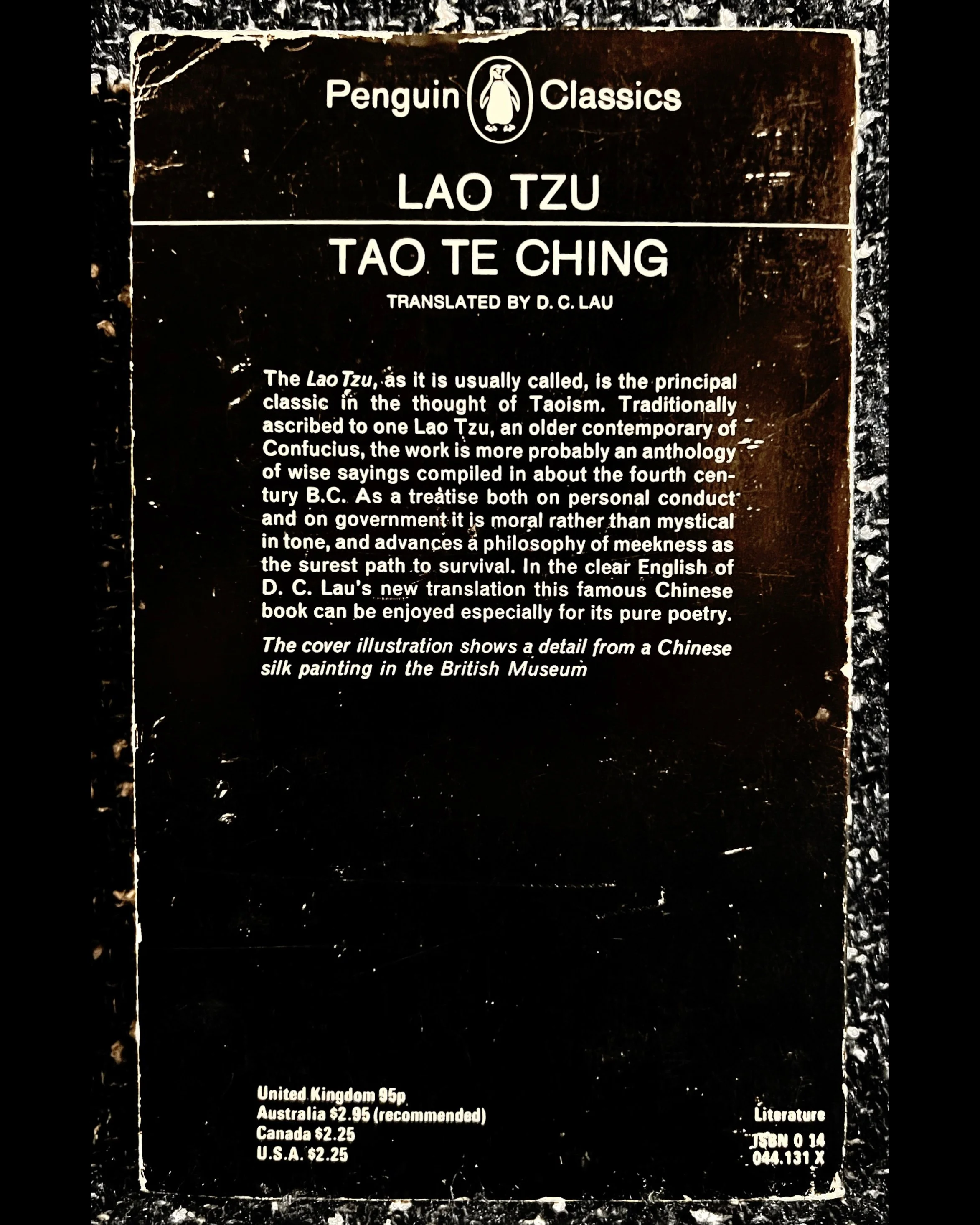
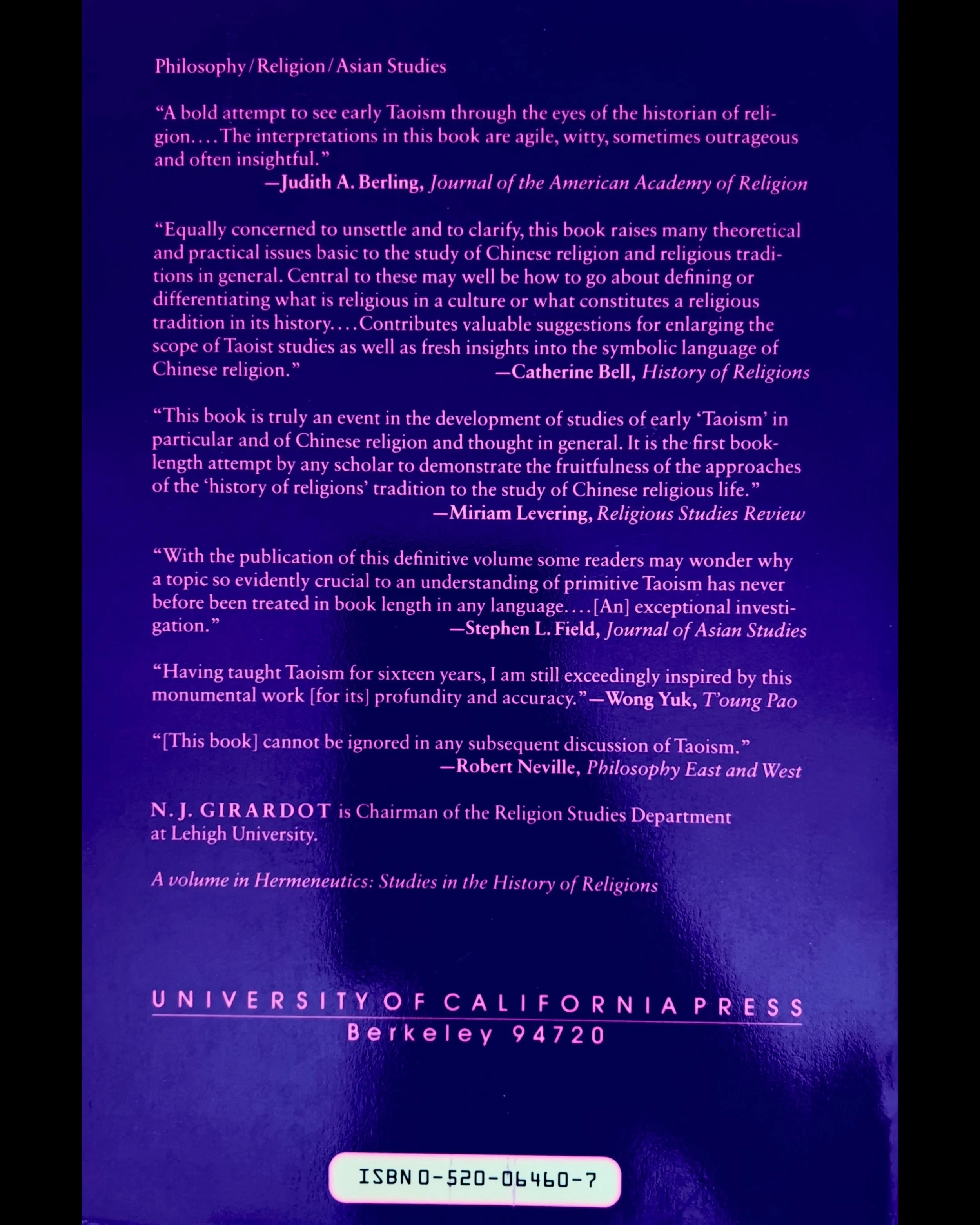 Image 2 of 2
University of California Press/422 pgs
Good condition
___________________________________________
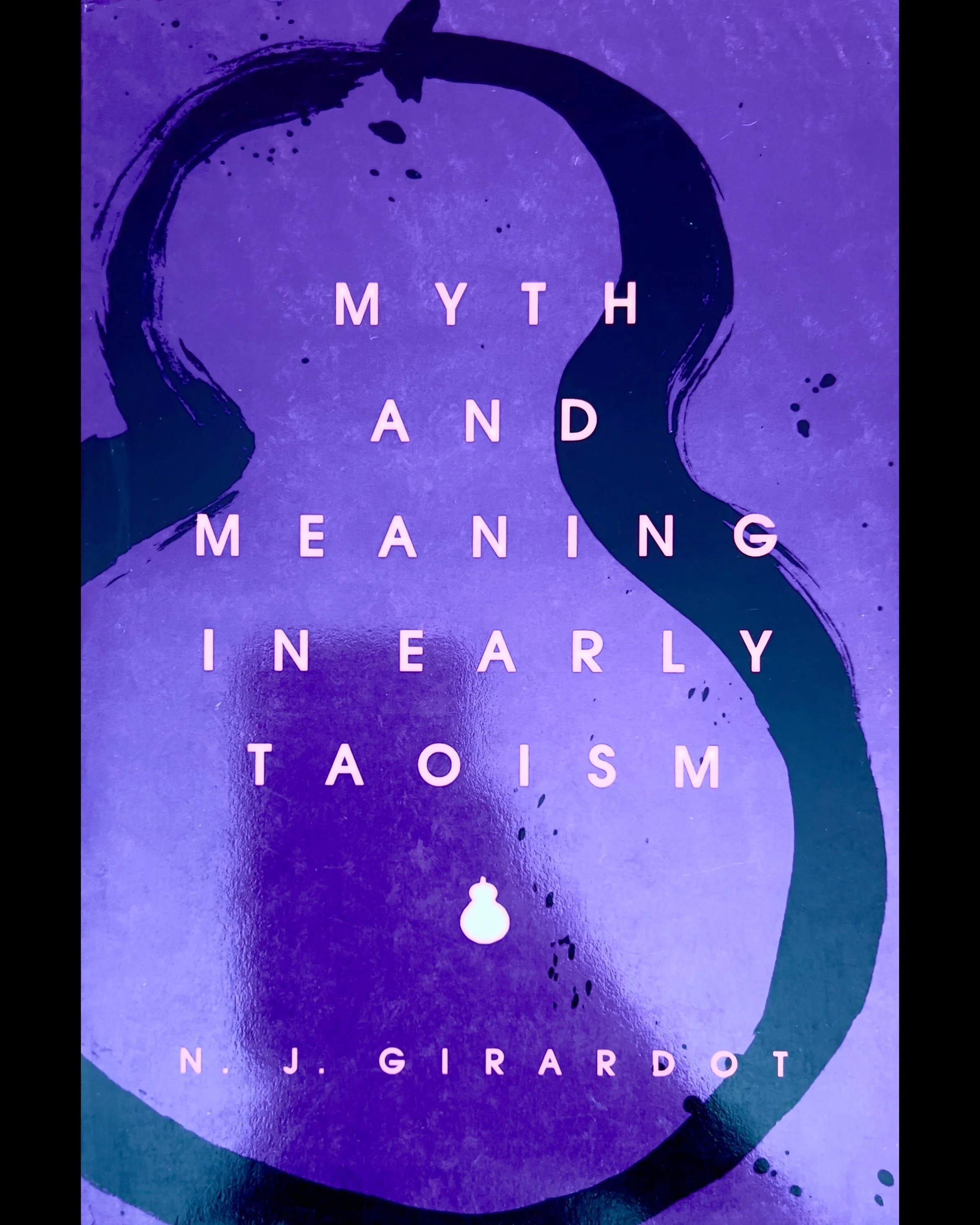
Myth and Meaning in Early Taoism examines some of the earliest texts associated with the Taoist tradition (primarily the Daode jing, Zhuangzi, and Huainanzi) from the outlook of the comparative history of religions and finds a kind of thematic and soteriological unity rooted in the mythological symbolism of hundun, the primal chaos being and principle that is foundational for the philosophy and practice of the Tao as creatio continua in cosmic, social, and individual life.
Dedicated to the proposition that ancient Chinese texts and traditions are often best understood from a broad interdisciplinary and interpretive perspective, this work when it was written challenged many prevailing conceptions of the Daode jing and Zhuangzi as primarily "philosophical" texts without any religious significance or affinity with the later sectarian traditions. While controversial and at times playfully provocative, the methodology and findings of this book are still important for the ongoing scholarship about Taoism in China and the world.
University of California Press/422 pgs
Good condition
___________________________________________
Myth and Meaning in Early Taoism examines some of the earliest texts associated with the Taoist tradition (primarily the Daode jing, Zhuangzi, and Huainanzi) from the outlook of the comparative history of religions and finds a kind of thematic and soteriological unity rooted in the mythological symbolism of hundun, the primal chaos being and principle that is foundational for the philosophy and practice of the Tao as creatio continua in cosmic, social, and individual life.
Dedicated to the proposition that ancient Chinese texts and traditions are often best understood from a broad interdisciplinary and interpretive perspective, this work when it was written challenged many prevailing conceptions of the Daode jing and Zhuangzi as primarily "philosophical" texts without any religious significance or affinity with the later sectarian traditions. While controversial and at times playfully provocative, the methodology and findings of this book are still important for the ongoing scholarship about Taoism in China and the world.