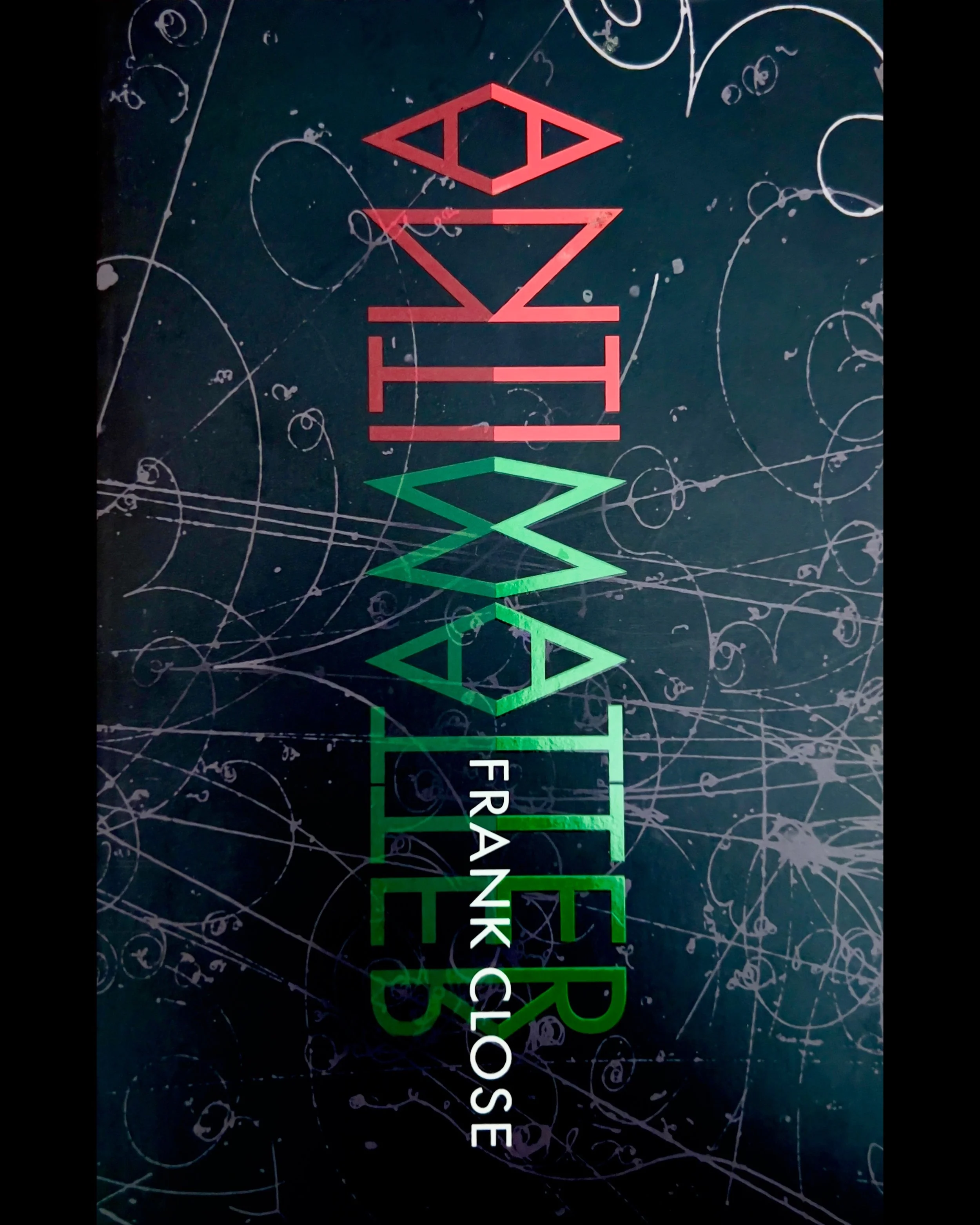
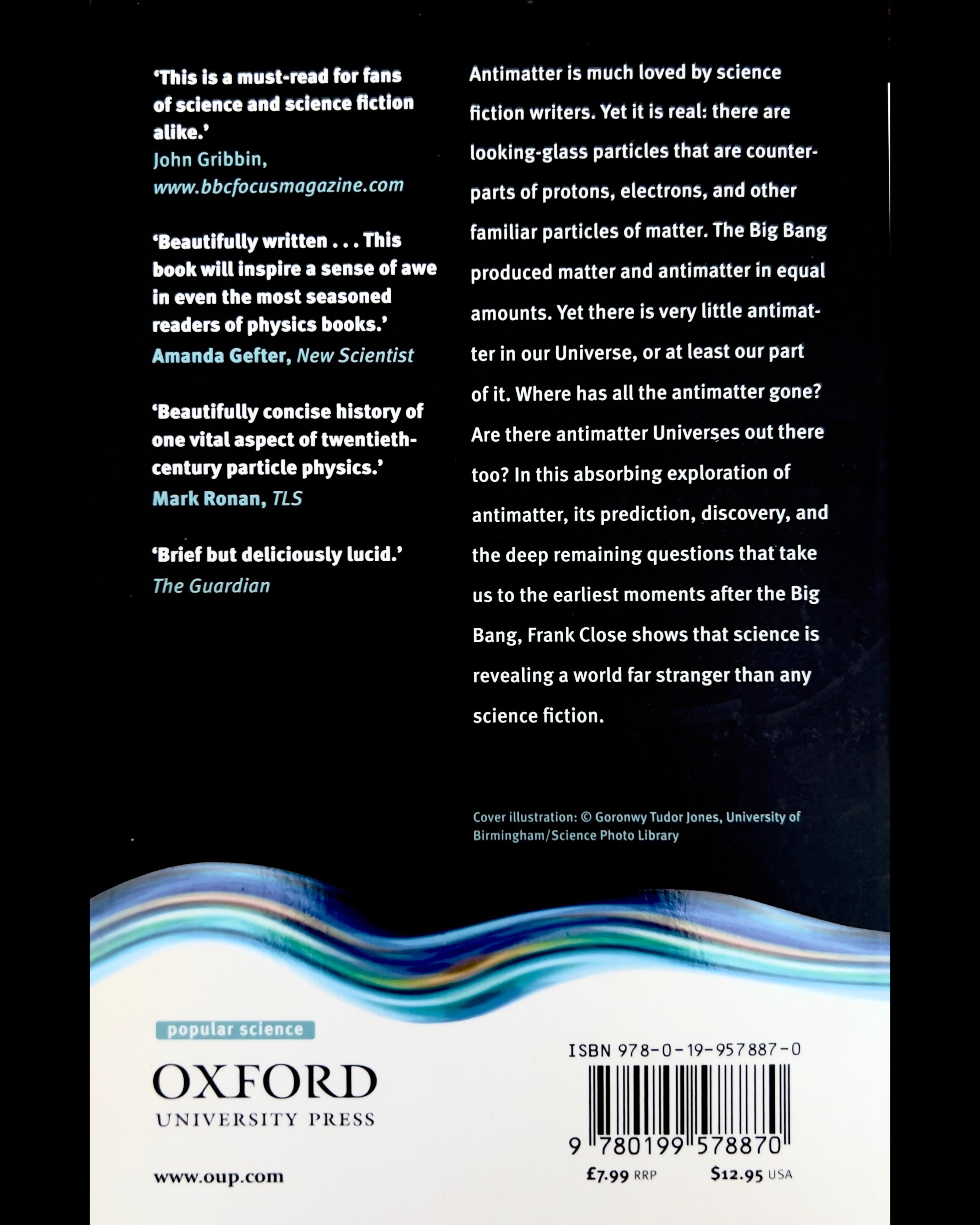
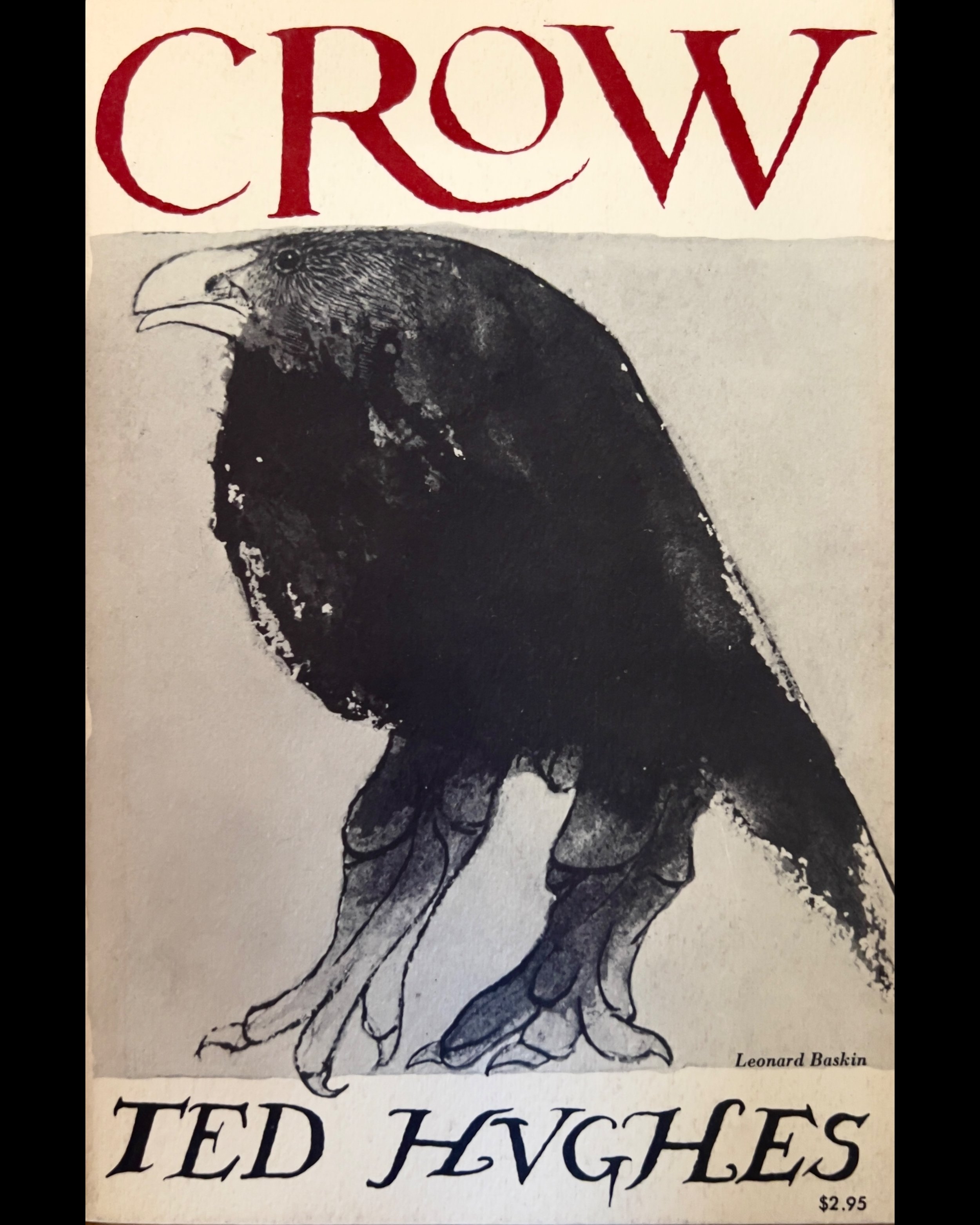
 Image 1 of 2
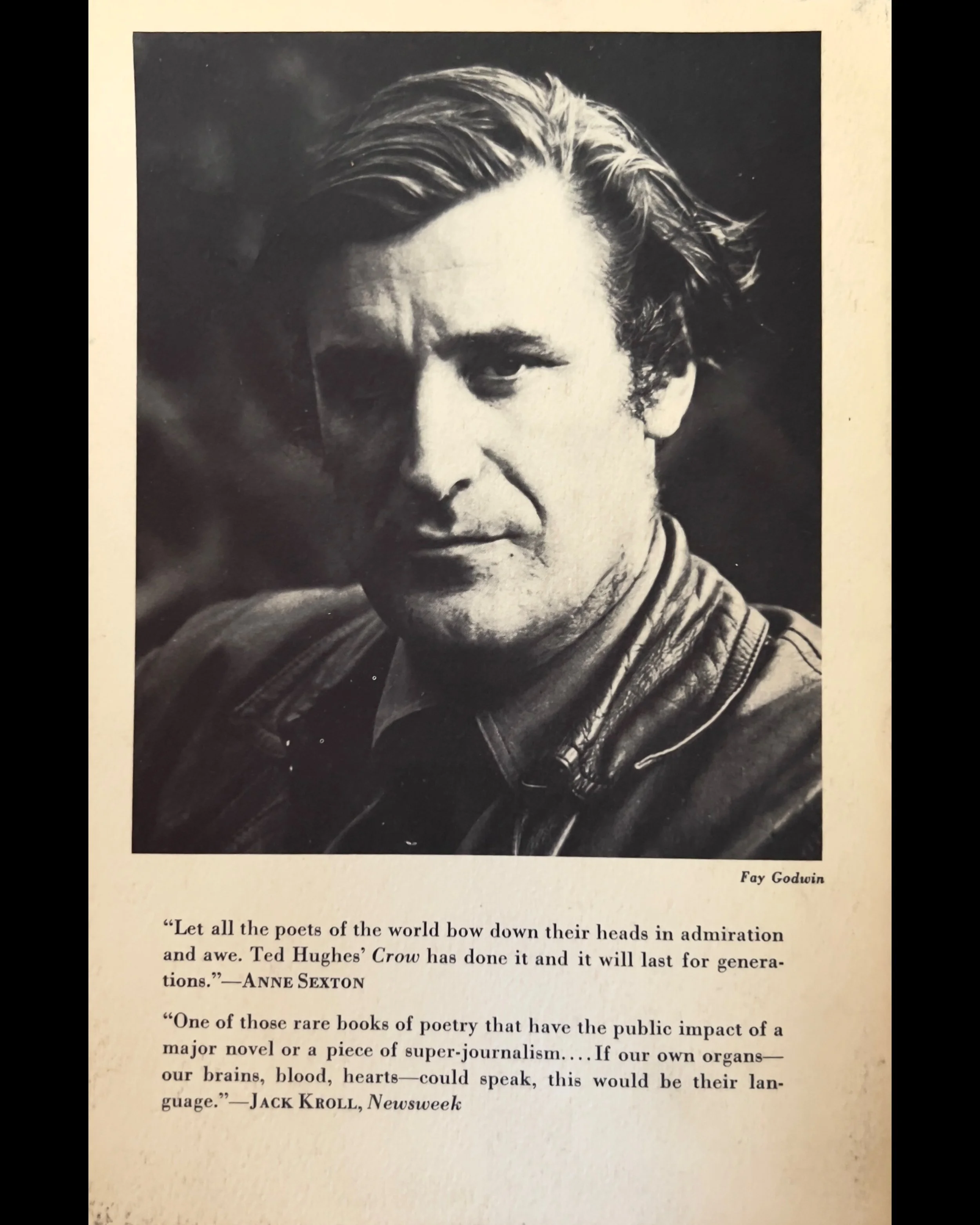 Image 2 of 2
Harper Row/84 pgs
Good condition
___________________________________________
Crow holds a uniquely important place in Hughes oeuvre. It heralds the ambitious second phase of his work, lasting roughly from the late sixties to the late seventies, when he turned from direct engagement with the natural world to unified mythical narratives and sequences. It was his most controversial work: a stylistic experiment which abandoned many of the attractive features of his earlier work, and an ideological challenge to both Christianity and humanism. Hughes wrote Crow, mostly between 1966 and 1969, after a barren period following the death of Sylvia Plath. He looked back on the years of work on Crow as a time of imaginative freedom and creative energy, which he felt that he never subsequently recovered. He described Crow as his masterpiece. This creative period was brought to an end by another tragedy: the deaths of Assia Wevill and her daughter Shura in March 1969.
Harper Row/84 pgs
Good condition
___________________________________________
Crow holds a uniquely important place in Hughes oeuvre. It heralds the ambitious second phase of his work, lasting roughly from the late sixties to the late seventies, when he turned from direct engagement with the natural world to unified mythical narratives and sequences. It was his most controversial work: a stylistic experiment which abandoned many of the attractive features of his earlier work, and an ideological challenge to both Christianity and humanism. Hughes wrote Crow, mostly between 1966 and 1969, after a barren period following the death of Sylvia Plath. He looked back on the years of work on Crow as a time of imaginative freedom and creative energy, which he felt that he never subsequently recovered. He described Crow as his masterpiece. This creative period was brought to an end by another tragedy: the deaths of Assia Wevill and her daughter Shura in March 1969.